
Plantinformation
HOME OF PROVEN WINNERS®
Plant Information
Magenta Chiffon®
Hibiscus
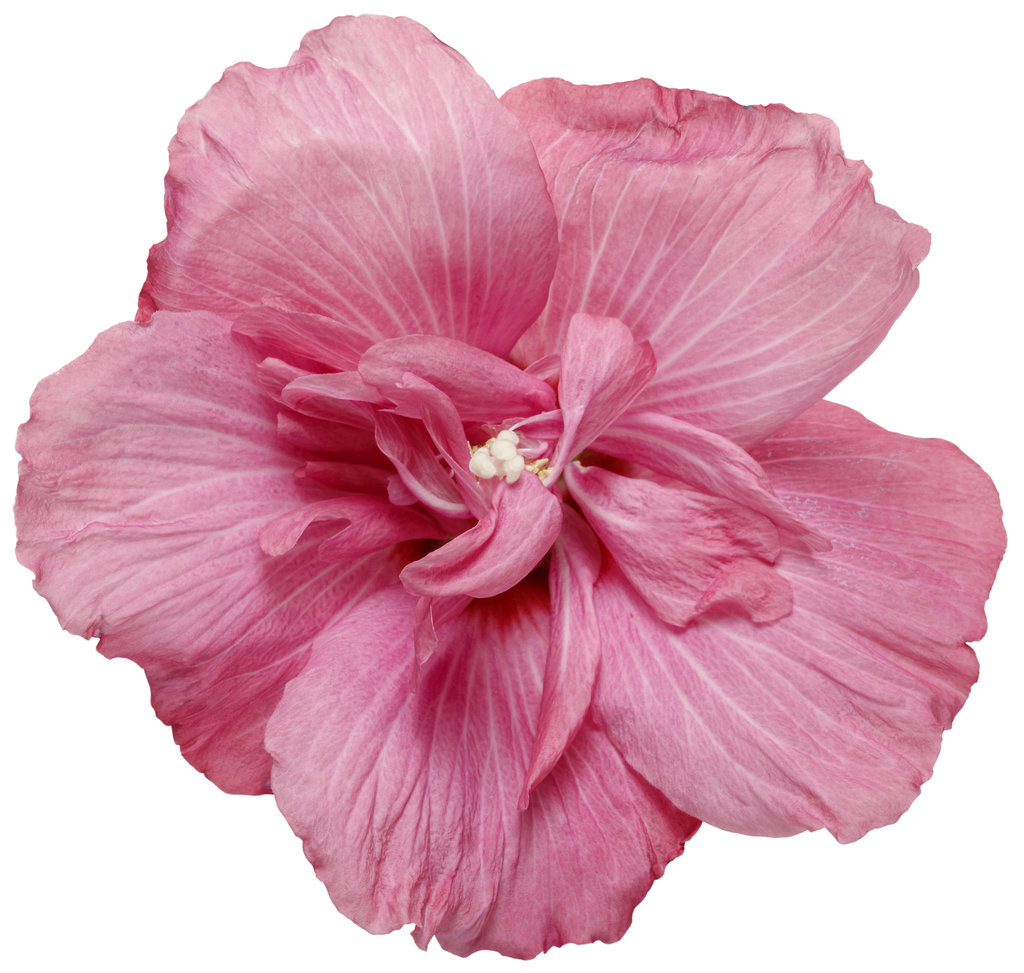
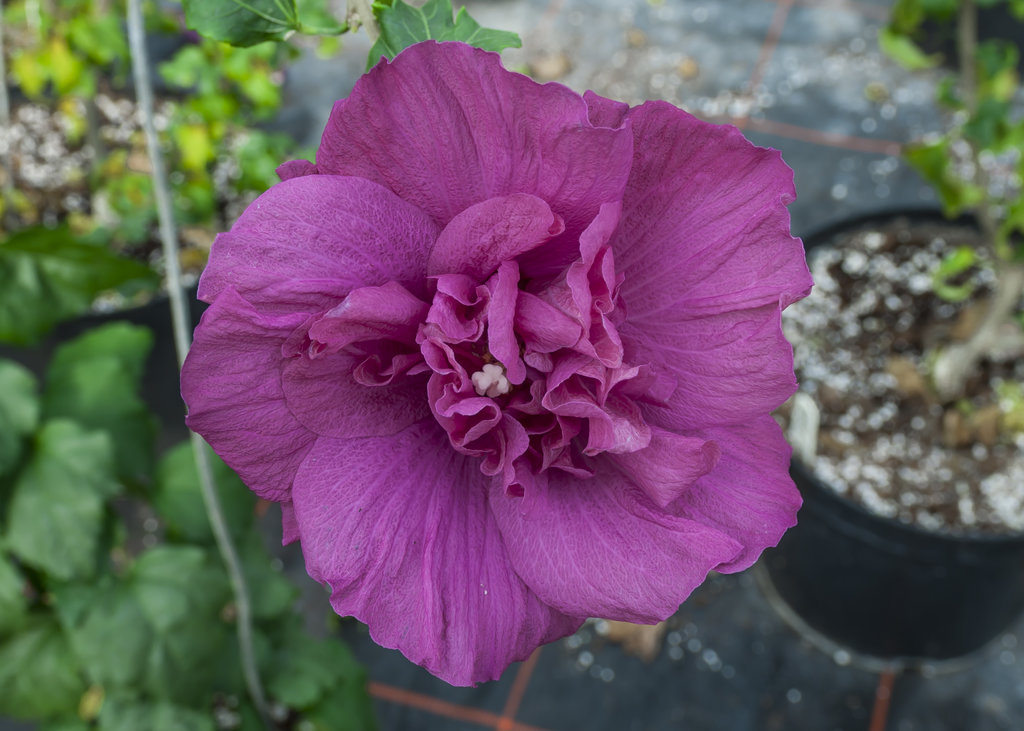
Displays magenta-purple powderpuff blooms summer through fall on an elegant, rounded shrub that moves in the breeze.
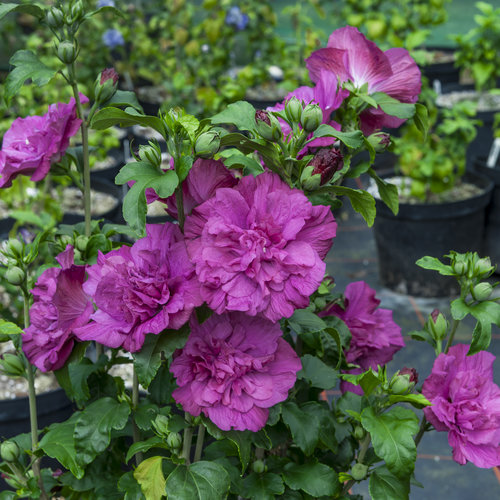
| Blossom Color | Purple |
| Bloom Season | Summer |
| Exposure | Sun |
| Height | 96-144 in |
| Width | 72-120 in |
| Spacing | 72-120 in |
| Container Sizes | 28, QT |
| Hardiness Zones | 5, 6, 7, 8, 9 |
| Wildlife Attracted | Bees, Butterflies, Hummingbirds |
| Wildlife Deterred | No Wildlife Deterred |
| Features | Displays magenta-purple powderpuff blooms summer through fall on an elegant, rounded shrub that moves in the breeze. |
| Adaptable as a Houseplant | No |
| Bog Plant | No |
| Is Disease Resistant | No |
| Drought Tolerant | No |
| Edible | No |
| Erosion Control | No |
| Fragrant Flower | No |
| Fragrant Foilage | No |
| Heat Tolerant | No |
| Native to North America | No |
| Salt Tolerant | No |
| Succulent | No |
| Water Plant | No |

| Uses |
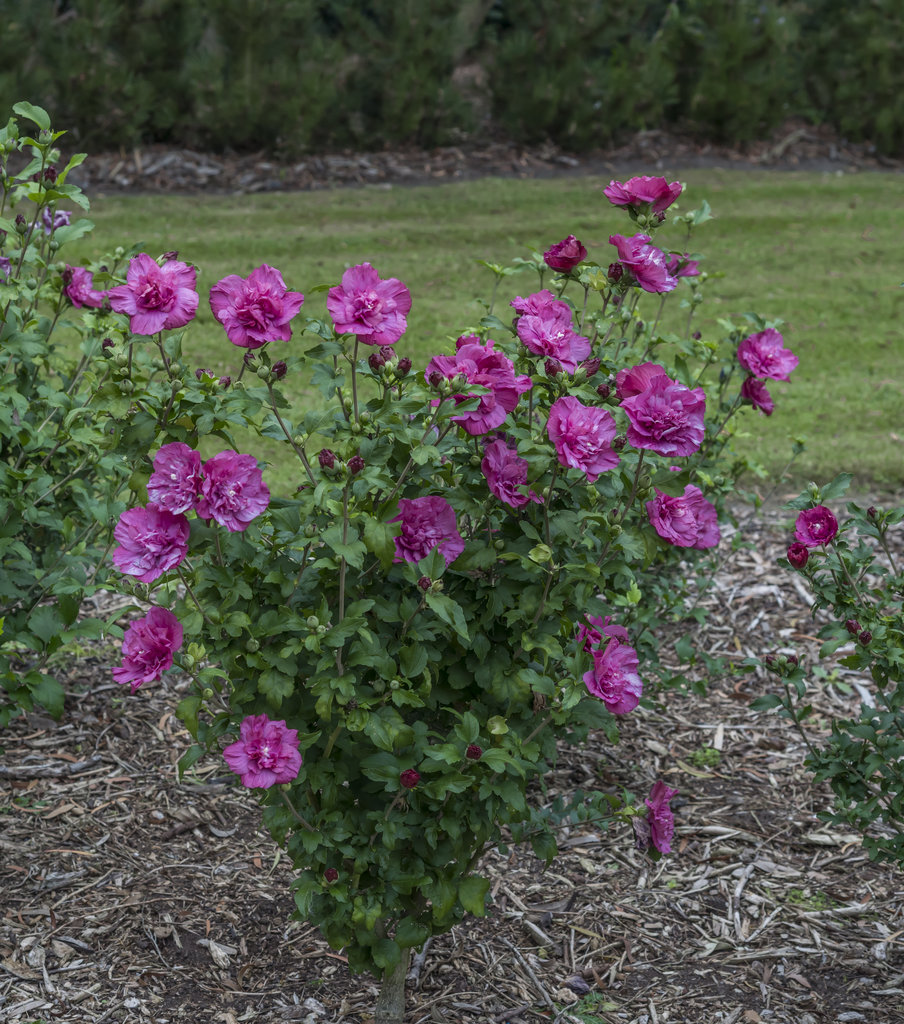
Roses of Sharon are large plants that are best left plenty of space to produce maximum blooms. They make a colorful hedge or specimen. |
| Maintenance Notes |
Thanks to their naturally graceful habit, Chiffon roses of Sharon don't require much pruning. If you wish to prune them, however, early spring is the best time to do so. Note that rose of Sharon is quite late to leaf out in spring, so be patient with it. We recommend full sun for rose of Sharon for the maximum amount of blooming and best color, but it can grow and flower reasonably well in partially shaded spots. |